Genetics, molecular and cell biology
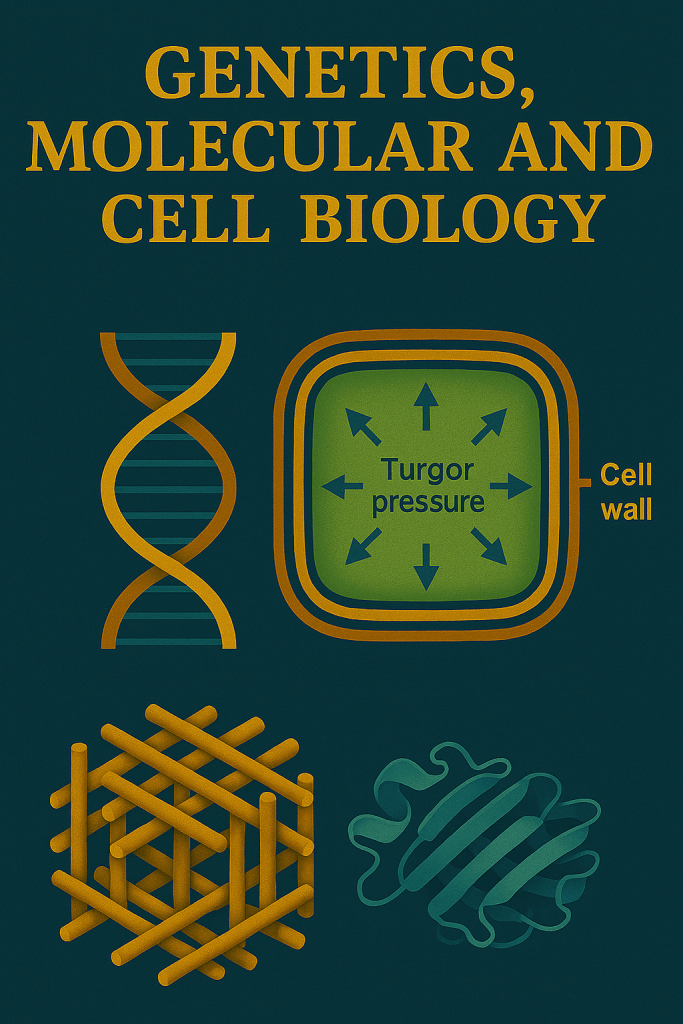
We use Arabidopsis thaliana to uncover how genetic regulators control plant growth and mechanical properties and vice versa applying controlled mechanical stresses to see how it affect genes expression and overall growth. Our lab combines classical genetics with inducible systems such as Cre-lox and DEX-responsive elements. We use confocal imaging, flow cytometry, and transcriptomic approaches to explore the relationship between cell cycle regulators, cell size, and mechanical properties. We also examine the localization of cell cycle regulators across tissues to understand how this contributes to growth anisotropy and tissue patterning.
Experimental biomechanics
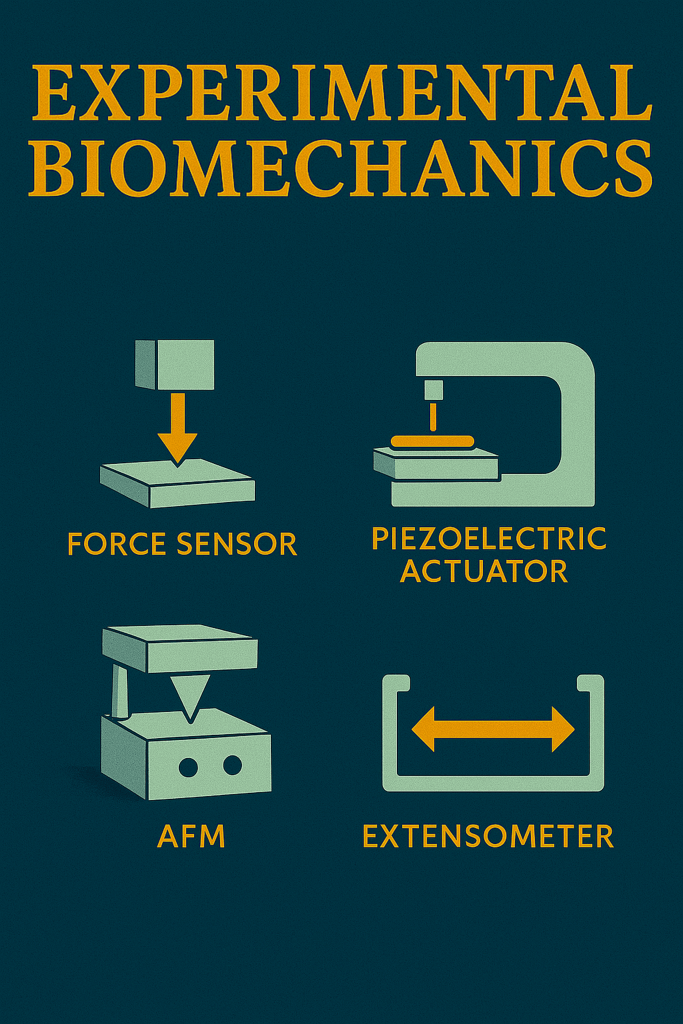
We probe the mechanical properties of plant tissues using osmotic treatments, extensometer-based tests (e.g., Majda et al., 2022; Trozzi et al., 2025), and micro-indentation assays (e.g., Majda et al., 2017; 2019; Majda 2021). Our focus is on how cell wall elasticity, viscoelasticity, and mechanical heterogeneity shape development. These experiments help us understand how cell size, number, and organization contribute to tissue strength, deformation, and mechanical resilience in both wild-type and mutant backgrounds.

Quantitative biology
We integrate high-resolution microscopy with automated image analysis to quantify growth, deformation, and shape across cells and tissues (e.g., Straus et al., 2022). We measure changes in cell geometry, volume, and wall curvature during development or stress. Flow cytometry and pixel-based methods allow us to extract ploidy levels, fluorescence intensities, and local growth rates. This quantitative approach enables us to link cellular phenotypes to mechanical behavior at the tissue level in a reproducible and statistically robust way.
Computational modeling
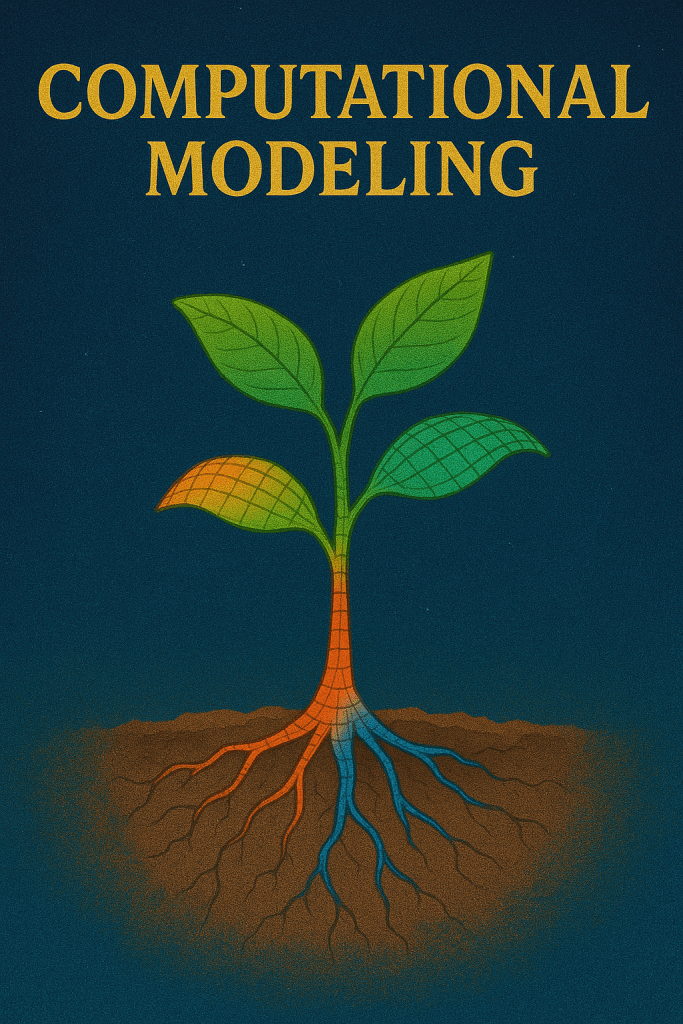
We use multiscale models to simulate the interplay between mechanical forces, cell growth, and genetic regulation in space and time (e.g., Majda et al., 2022; Trozzi et al., 2023). Our models explore how local changes in turgor pressure, wall stiffness, or endoreduplication affect growth patterns and tissue robustness. We use custom Python scripts, CUDA-based simulations, and MorphoMechanX (Mosca et al., 2017) for geometric modeling, force inference, and virtual experimentation. These computational tools allow us to test hypotheses, identify feedback loops, and make quantitative predictions for experimental validation.



 The Mechanobiology Lab